Join our community and be part of the conversation.
To subscribe, simply enter your email address on our website or click the subscribe button below. Don't worry, we respect your privacy and won't spam your inbox. Your information is safe with us.
Storage and virtualisation strategies: Customers weigh cost, risk, modernisation
During a recent media briefing in Singapore, technology leaders discussed how customers are adapting to the evolving virtualisation landscape by collaborating with enterprise storage players like themselves.
Enterprises across the region are reassessing their storage and virtualisation strategies as they navigate shifting licensing models, emerging technologies, and escalating cyber threats.
Until recently, discussions around virtualisation largely centred on Broadcom’s acquisition of VMware and the resulting end of perpetual licences. Today, the focus is expanding beyond licensing concerns to include enabling AI-driven workloads, diversifying virtualisation stacks, and adopting more adaptable architectures.
Matthew Hardman
During a recent media briefing in Singapore, technology leaders discussed how customers are adapting to the evolving virtualisation landscape by collaborating with enterprise storage players like themselves. Many enterprises are exploring alternatives such as Red Hat, Nutanix, Kubernetes, and hyperscale cloud platforms, while simultaneously meeting larger organisational innovation goals.
Storage at the core of a shifting ecosystem
Matthew Hardman, Chief Technology Officer at Hitachi Vantara, underscored the crucial – yet often overlooked – role of storage technology in enabling virtualisation.
“We work very closely with VMware to provide the back-end storage that aggregates data and powers virtual machines (VMs),” Matthew said.
He emphasised that the need for high‑performance storage remains fundamental.
For example, Hitachi’s Unified Compute Platform (UCP), provides converged and hyperconverged appliances preconfigured with VMware’s vSphere, vCenter, and often vSAN, giving organisations a turnkey cluster for VM workloads.
However, Matthew acknowledged that ongoing licensing changes and ecosystem shifts are prompting customers to rethink their long‑term strategies.
“When we talk to customers today, they’re looking for alternatives,” he noted.
Three strategic responses emerge
According to Hardman, customer responses typically fall into three broad categories.
“Pay the tax” : These organisations choose to “pay the tax” to maintain stability, prioritising business continuity despite higher costs. “For many, the reliability of systems and infrastructure outweighs the price hike,” he explained.
Embracing the catalyst: Others view the current disruption as a catalyst for transformation. “I’ve seen some customers re‑architect their infrastructure and applications entirely,” he said, referring to a mix of options under consideration – ranging from cloud infrastructure providers like Platform9 and hyperscalers to alternative virtualisation vendors from China. Many in this group are consolidating workloads, modernising architectures, and maximising existing investments, with platforms like OpenShift and OpenStack also being explored.
Broader modernisation: A third group is taking a step back to align virtualisation and storage strategies with broader innovation goals.
Pursuing broader modernisation with innovative tech
For those who opt for wider modernisation, clarity around future architecture remains the key challenge.
There are opportunities for us to support both architectures, whether through direct storage capabilities or complementary services like object storage.
Matthew Hardman
“There are so many innovation angles – AI, data, analytics, and more – that re‑architecting your entire application portfolio and infrastructure becomes a major undertaking,” Matthew observed.
As organisations chart their next steps, Matthew sees multiple viable paths emerging. Some are adopting disaggregated compute and storage models, such as with Red Hat OpenShift, while others are turning to hyperconverged solutions like Nutanix.
“There are opportunities for us to support both architectures, whether through direct storage capabilities or complementary services like object storage that help organisations optimise data management around their applications,” he added.
Regardless which strategies organisations will land on, across the region one theme seems to be emerging as AI‑driven demands grow – storage and infrastructure strategy are moving from the backroom to becoming front and centre in the organisation.
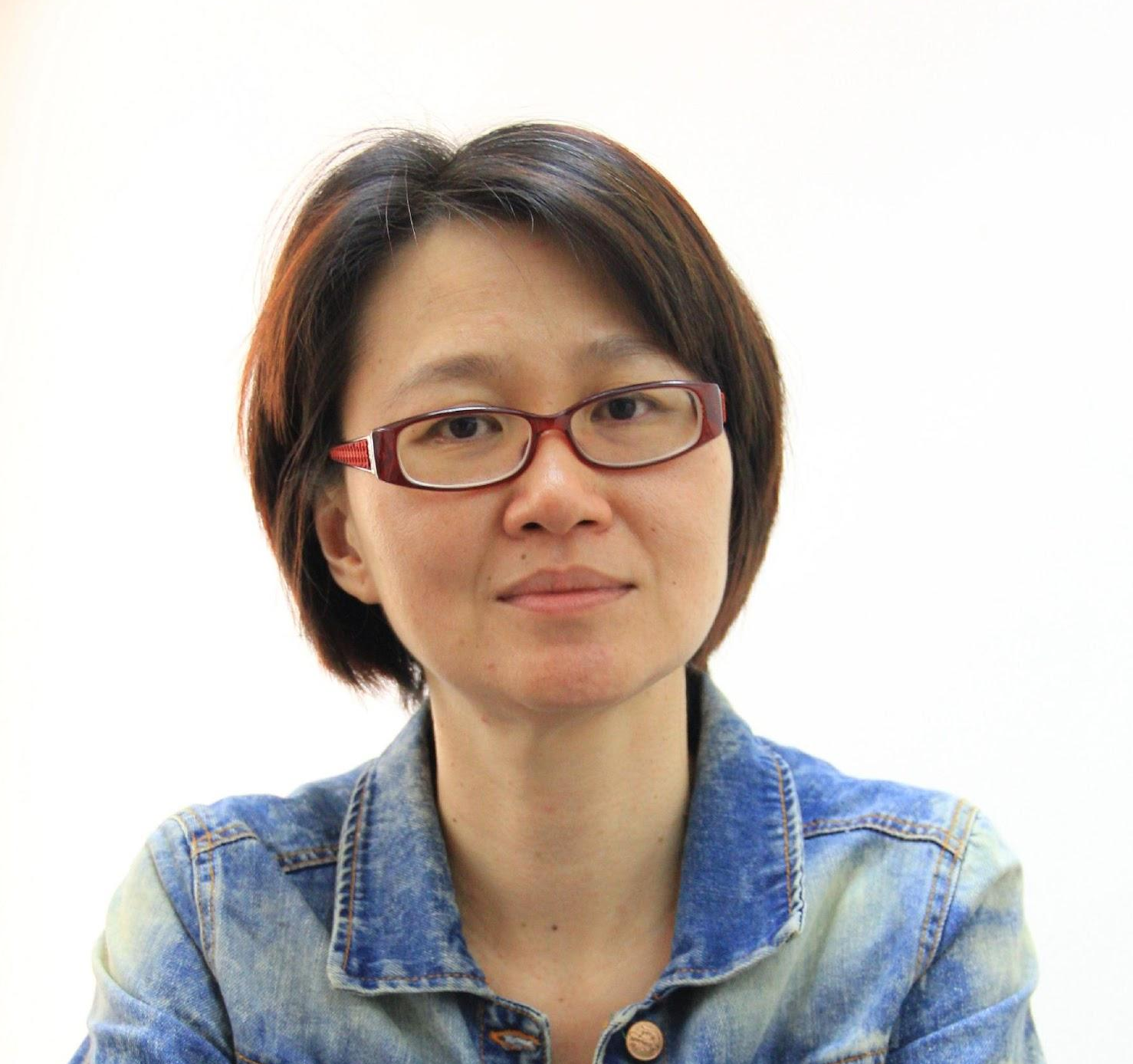
Cat Yong is Editor-in-Chief of Enterprise IT News, a regional news website which began in Malaysia circa 2011. A common theme in all of her work - opinions, analysis, features and more - is how technology and innovation drives business and outcomes.
A career tech journalist for 22 years, her work has evolved to also encompass narratives of tech powering human potential.