By Shavinya Abeywickrema
Takeoff Tokyo 2026 felt less like a standalone startup event and more like a snapshot of where Japan’s innovation ecosystem is heading; more international, more focused, and increasingly anchored in sectors where the country has real strength.
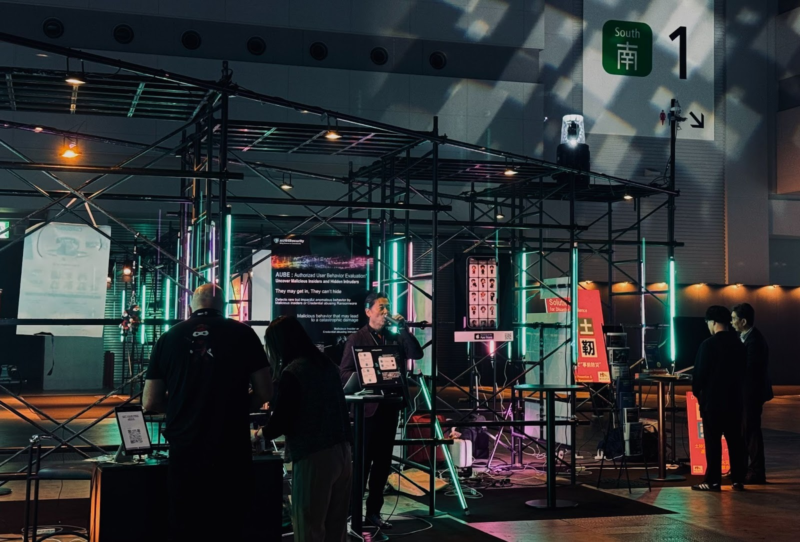
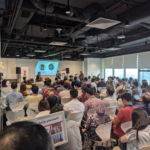
One of the clearest takeaways was the diversity in the room. There was a visible mix of foreign founders flying in, globally minded operators already based in Japan, and startups looking at Tokyo not just as a market to enter, but as a place to build. That matters as the city is now beginning to feel less like a difficult market on the edge of the global startup conversation, and more like a serious platform for technology-led growth. But that raises an important question – why Tokyo?
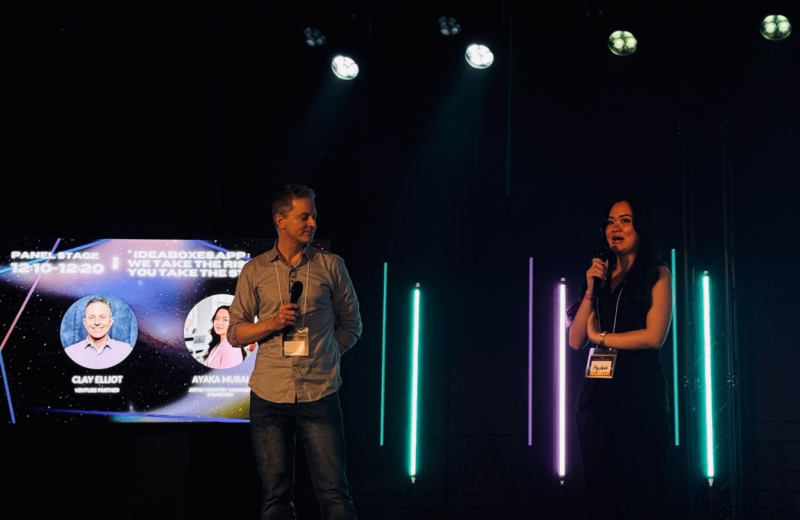
Perhaps the clearest answer came from the founders themselves. Clay Elliot, Venture Partner from IdeaBox described Japan as “an underserved market” for startups. It points to a structural reality- Japan has many of the ingredients founders look for – infrastructure, enterprise depth, technical capability, and long-term market potential – yet it has not been saturated in the way other major startup hubs have. That gap matters. For startups, it signals room to build. For investors, enablers, and ecosystem actors, it signals room to lead.
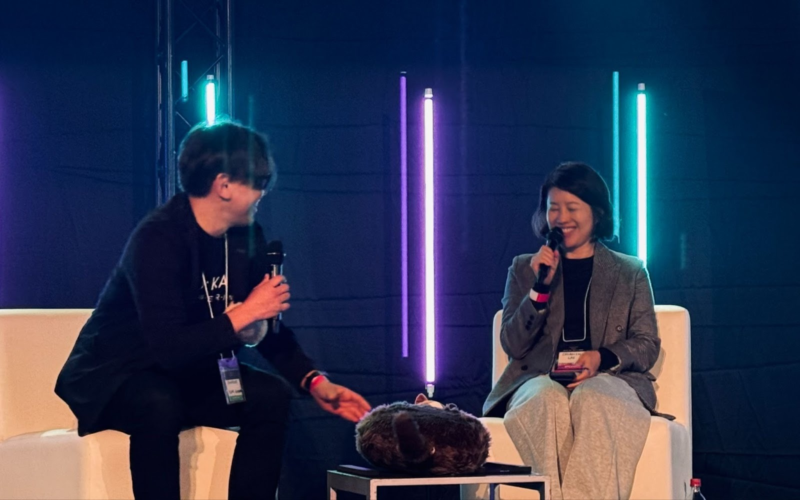
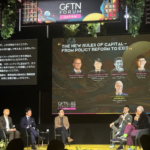
That underlying sense of opportunity came through strongly in two key panels. The first being “Can Japan Lead the Next Wave of Robotics Innovation?” which brought together Shunsuke Aoki, CEO and Founder of Yukai Engineering, and Chiamin Lai, General Partner at Firstlight Capital. The discussion highlighted one of Japan’s clearest strengths – the ability to turn technical capability into practical robotics innovation. The conversation was less about hype and more about usability, reliability, and real-world application.
Platforms such as Shibuya Startup Support, SusHi Tech Tokyo, and the upcoming Japan IT Week are all helping reinforce Tokyo’s position as a growing hub for startup and tech innovation.
The second panel, “Japan Is Back: Powering the Next Wave of AI and Deep Tech,” featured Sakyasingha Dasgupta, Founder and CEO of EdgeCortix, Ken Yasunaga, Founder and Managing Partner at Global Hands-On VC, and Yumiko Murakami, General Partner at MPower. Here, the focus shifted to AI, deep tech, and Japan’s broader competitive position.
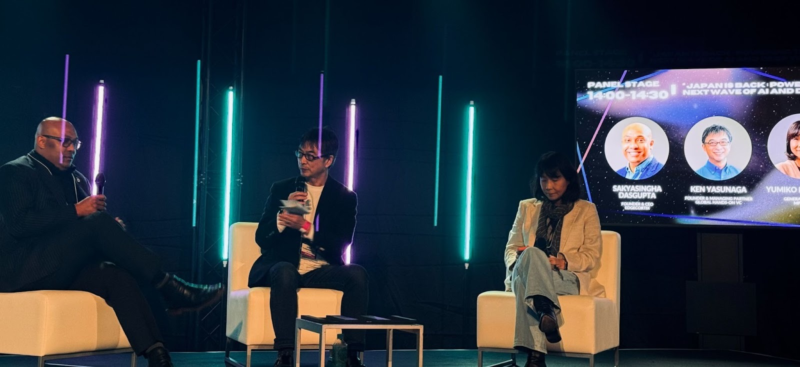
Dasgupta pointed to data movement and Japan’s long-standing deep tech talent base as signs of a “renaissance of AI” in Japan. Murakami echoed this view, noting that the country is home to an exceptional talent pool, with globally competitive expertise and strong technical resources across the tech sector.
What made the event stand out was its tone. The discussions were optimistic, but not overly polished. They reflected an ecosystem asking serious questions about where Japan can lead and how it can compete, while also showing clear confidence in the country’s technical and industrial strengths.
Taken together, Takeoff Tokyo showed a startup ecosystem becoming more defined by substance than noise. And it is not happening in isolation. Platforms such as Shibuya Startup Support, SusHi Tech Tokyo, and the upcoming Japan IT Week are all helping reinforce Tokyo’s position as a growing hub for startup and tech innovation.
One thing remains clear throughout it all – Tokyo is not just hosting the conversation. It is starting to shape it.