SusHi Tech Tokyo 2026 had the kind of energy that is difficult to capture from a programme agenda alone. On paper, it was a major innovation event bringing together startups, investors, corporates, policymakers and the public. But on the ground, it felt like something more immediate: a city opening up a conversation about what the future could look like, and who gets to build it.
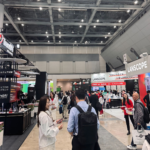
Across the venue, there was a clear sense of movement. Founders were pitching solutions for sustainability, mobility, AI, healthcare, smart cities and urban living. Investors moved between sessions and startup showcases, looking for ideas with both ambition and practical relevance. Corporate teams were not just browsing for trends, but paying attention to technologies that could solve real operational challenges. The conversations felt focused, curious and grounded.
What made SusHi Tech stand out was the way it blended big ideas with human experience. The event was future-facing, but it did not feel distant or overly theoretical. Many of the strongest innovations on display were tied to everyday realities: how cities become more liveable, how businesses adapt, how communities become more resilient, and how technology can support people in practical ways.
That balance was especially visible in the SusHi Tech Challenge, where startups took the stage with ideas shaped by real-world problems. The finalist pitches reflected the breadth of innovation now emerging around urban futures, climate, infrastructure, digital services and quality of life. But beyond the pitch decks, what stood out was the seriousness with which many founders were thinking about market entry, trust, partnerships and long-term growth.
There was also something distinctly “Tokyo” about the experience. SusHi Tech had global ambition, but it carried a strong local identity. The attention to detail, the design, the cultural elements, the public-facing experiences and the overall rhythm of the event gave it a different feel from a typical technology conference. It was not just about showcasing innovation. It was about placing innovation within a wider context of culture, city life and public purpose.
For startups and ecosystem builders looking at Japan, the message was clear. This is a market full of opportunity, but it rewards those who take the time to understand it properly. A strong product matters, but so do patience, trust, local relationships and the ability to adapt with respect.
In many ways, SusHi Tech Tokyo 2026 captured a market and a city in motion. It showed Tokyo not only as a place where technology is being discussed, but as a place where the future is being tested, questioned and shaped in real-time.