
SusHi Tech Tokyo 2026 underscored Tokyo’s ambition to be the gateway to Japan’s startup ecosystem, with the event expanding significantly year over year – from 607 exhibitors previously to more than 770 startups in 2026. It reflected a city deeply committed to embedding technology and digitalisation into everyday urban life.
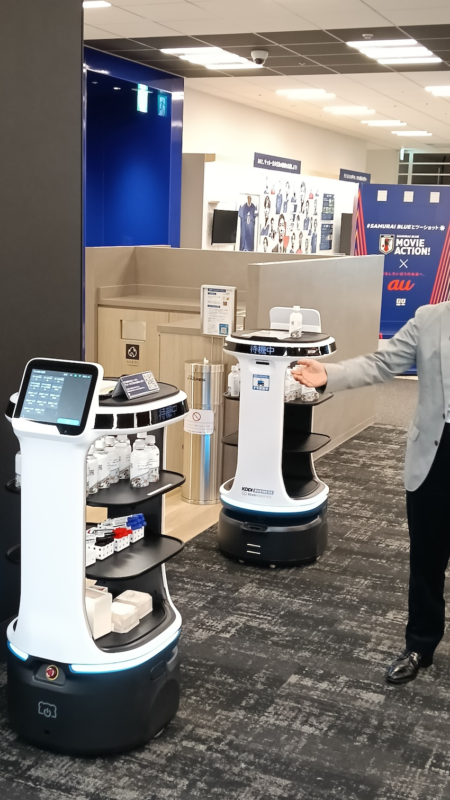
From the outset, Tokyo’s seriousness about digital transformation was unmistakable. At TAKANAWA GATEWAY CITY, KDDI’s headquarters demonstrated operational robotics integrated into workplace environments, while Nishi-Shinjuku Smart City Festa showcased next-generation mobility and digital twin technologies.
As Google’s Cris Turner observed, Tokyo stands out as “the leading city in Japan in terms of digital initiatives”. This is increasingly evident in how seamlessly technology is woven into the city’s infrastructure and experience.
Designing for collaboration
This year’s conference showcased innovation and how it is enabled. The exhibition layout was intentionally designed to foster interaction between startups and enterprises, encouraging organic collaboration and co-creation.
Tokyo Metropolitan Government (TMG) Deputy Director-General Katayama Kazuya highlighted this strategy, noting that startups were positioned near international venture capital exhibitors. The goal was clear: facilitate meaningful engagement between global investors and participants from the SusHi Tech Global programme, accelerating pathways to funding and expansion.
Building on four years of iteration, TMG has refined its approach to focus not only on early-stage startups but also on scale-ups with global potential.
The newly launched SusHi Tech Global programme aims to identify 150 high-growth startups from both public and private sectors, using a phased selection process designed to surface globally competitive ventures.
During his interview, Katayama shared that this process was about to start
Smart city as a living lab
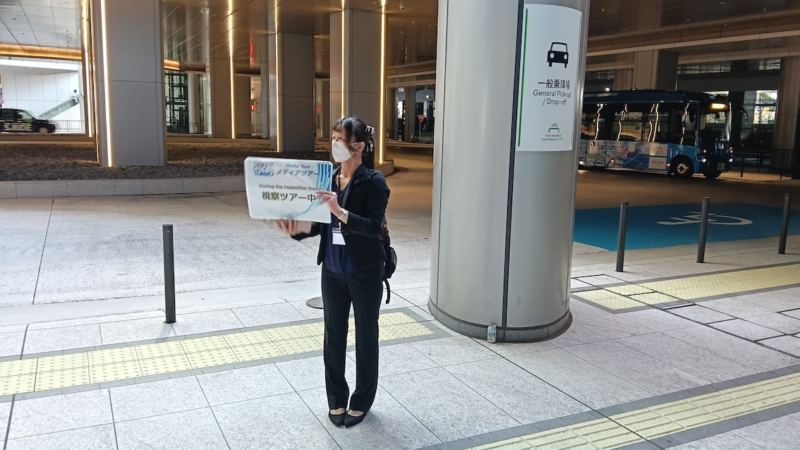
Ahead of the main conference at Tokyo Big Sight, members of the media were given a preview of Tokyo’s smart city ambitions through visits to three sites: Nishi-Shinjuku Smart City Festa, TAKANAWA GATEWAY CITY, and Roof Park Fest & Walk – a project transforming a former expressway into a pedestrian-centric public space.
Among these, TAKANAWA GATEWAY CITY stood out as a compelling model of integrated urban innovation. Developed by East Japan Railway Company (JR East), this 9.5 hectare experimental district will bring together people, culture, nature, and technology together to create solutions that help address social challenges around the world.
KDDI’s relocation of its headquarters to this environment signals a strategic commitment to testing and scaling advanced workplace technology to create solutions that help address social challenges around the world.
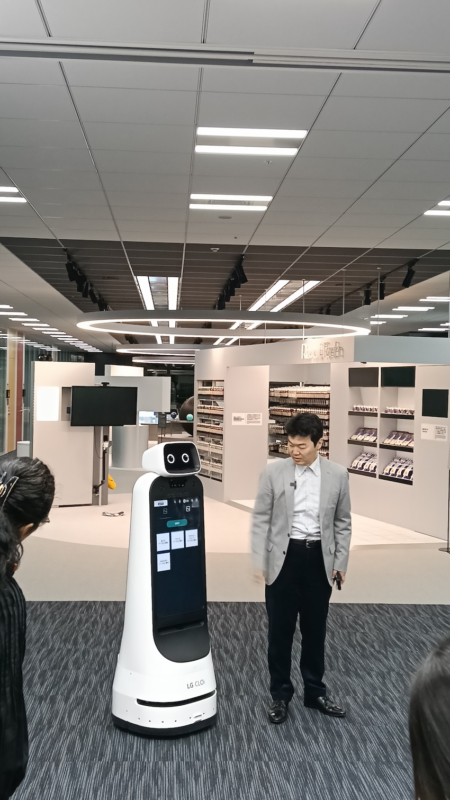
In practice, this includes deploying robotics supported by building-integrated systems, with the goal of refining how autonomous machines can safely navigate office environments and assist employees. These experiments are not isolated and are designed for replication across future smart city developments.
Regional and Global Alignment
SusHi Tech Tokyo 2026 also expanded its geopolitical relevance. The inaugural TOKYO-SEADS initiative, launched alongside the G-NETS Leaders Summit, introduced a new platform for sustainability collaboration between Tokyo and Southeast Asian capitals.
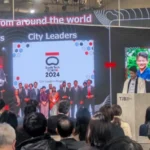
The broader G-NETS summit convened leaders from 49 cities across five continents, reinforcing Tokyo’s role as a hub for global urban dialogue. Meanwhile, TOKYO-SEADS aligns with the Asian Development Bank’s SEADS framework, focusing on shared challenges such as digital health, climate finance, sustainable tourism, and green economic transitions across ASEAN nations.
An observed shift
Across multiple stage sessions that this journalist attended a recurring theme emerged: processes must change. This is not a new refrain in global tech circles, but in Tokyo, it carries a different weight. The city’s approach suggests a willingness not just to discuss transformation, but to operationalise it – through infrastructure, policy alignment, and tightly integrated public-private collaboration.
What sets Tokyo apart is its systemic discipline. Innovation here is not treated as a layer added on top of existing systems; there is cognisance that innovation has to be embedded into how systems are redesigned from the ground up. Processes have to change. And more than a few Japanese technology leaders had echoed this view on their respective stages.
Could this drive Tokyo to become Asia’s most methodically constructed innovation hub? Where experimentation is disciplined, partnerships are purposeful, and the future is not imagined in isolation, but built in full view?
(This coverage was produced as part of our media partnership with SusHi Tech Tokyo 2026)