
By Ayesha J.
As physical AI moves from pilot programmes to production environments, enterprises face a new challenge. Scaling robotics requires more than innovation. It demands infrastructure readiness, system integration, and a clear view of long-term impact.
The conversation around robotics has shifted. What was once experimental is now operational. Enterprises are no longer asking whether physical AI works. They are asking how to scale it.
Moving from controlled pilots to real-world deployment introduces new complexities. Systems must integrate with existing infrastructure, meet regulatory standards, and deliver consistent performance. For many organisations, this stage is proving more demanding than initial adoption.
Enterprise use cases of robotics and physical AI
Across industries, physical AI is moving from isolated pilots into core operations. What stands out is not just adoption, but the shift toward systems that can respond to changing conditions in real time.
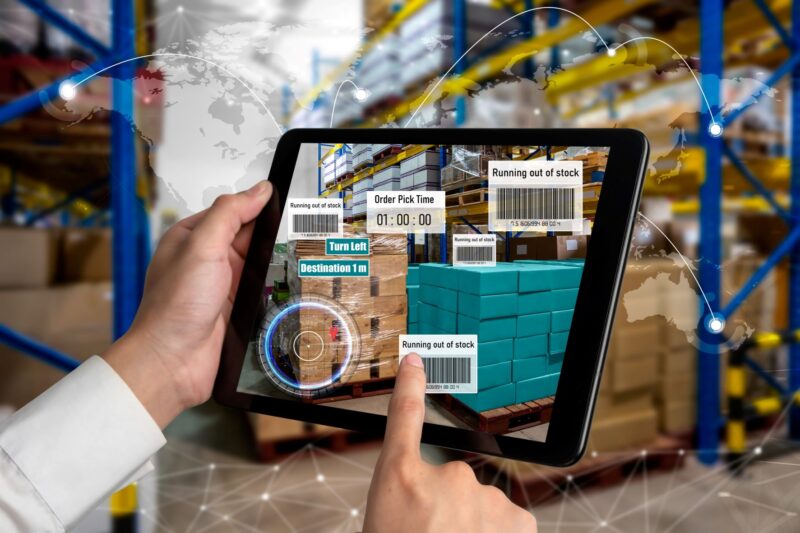
In logistics, companies such as Amazon are deploying fleets of autonomous robots to manage inventory, route goods, and adapt to fluctuating demand. These systems do more than automate movement. They coordinate with warehouse management platforms, improve throughput, and reduce dependence on manual handling during peak cycles.
Manufacturing remains the most mature environment. Firms working with providers like ABB are integrating collaborative robots directly into production lines. These machines operate alongside human workers, handling precision tasks while maintaining consistent output. The result is not just efficiency, but tighter quality control and more stable production cycles.
Healthcare introduces a different set of priorities. Here, physical AI is applied in controlled settings where accuracy and reliability are critical. Robots assist with repetitive processes such as sample handling, lab workflows, and even elements of surgical support. The value lies in reducing human error and allowing medical professionals to focus on higher-level decision-making.
Retail and service sectors are beginning to follow. From automated inventory checks to assisted customer interactions, physical AI is reshaping how frontline operations are managed. These deployments remain early, but they point toward a model where automation supports both efficiency and customer experience.
“The future of enterprise robotics will not be decided in labs, but in how well it scales in the real world.”
For decision-makers, the pattern is clear. Physical AI is not limited to a single industry or function. Its role is expanding wherever operations require speed, consistency, and the ability to respond in real time.
Challenges in scaling robotics with physical AI
Despite progress, scaling remains difficult.
Hardware costs are still high. Deploying robotics across multiple sites requires significant investment, not only in machines but also in maintenance and upgrades.
Safety and compliance add another layer. Physical systems must operate within strict regulatory frameworks, especially in healthcare and industrial environments. Reliability is non-negotiable.
Integration is often the most complex challenge. Many enterprises rely on legacy systems, but introducing robotics requires alignment across software, hardware, and operational workflows. Without this alignment, gains in one area can create inefficiencies in another.
Infrastructure and IT considerations
Scaling physical AI is as much an IT challenge as it is an operational one.
Real-time data processing is essential. Robots rely on continuous input from sensors, cameras, and connected systems. This requires robust edge computing and low-latency networks.
Integration with enterprise platforms is equally important. Robotics systems must connect with inventory management, ERP, and analytics tools. This ensures that decisions made by machines align with broader business objectives.
Security is a growing concern. Physical AI introduces new vulnerabilities, as systems operate across both digital and physical layers. Insights from Gartner highlight the need for integrated security strategies that address both domains.
The future of robotics in enterprise
The trajectory of robotics is moving toward greater autonomy. Systems are becoming more capable of operating without constant supervision. At the same time, costs are gradually decreasing, making adoption more accessible.
Some coverage from technology media reviews suggests that industries beyond manufacturing and logistics will accelerate adoption over the next decade. Sectors such as agriculture, construction, and retail are expected to follow.
The workforce impact is also evolving. Rather than replacing roles entirely, robotics is reshaping them. Workers are shifting toward oversight, coordination, and higher-level decision-making.
Turning robotics investment into operational advantage
Scaling physical AI is not a straightforward extension of pilot success. It requires a coordinated approach across technology, operations, and strategy.
Enterprises that succeed will treat robotics as part of a broader system, not a standalone solution. They will invest in infrastructure, prioritise integration, and address risks early. This includes aligning robotics with core platforms such as ERP, data systems, and security frameworks to ensure continuity and control. The next phase of enterprise transformation will not be defined by isolated innovation. It will be defined by the ability to scale intelligent systems across real-world operations.
That means decision-makers need to think about building for scale from the outset, with clear ownership, measurable outcomes, and a long-term operating model in place.