
By Cat Yong
Instant-on, one-handed operation, immediate access to content and information. That is what I crave and it shouldn’t be difficult for tech to deliver it to me, right?
I have been in the market for a good tablet for the longest time, even though my short stint with the ‘obvious-at-that-time’ choice (iPad 2) was short-lived – only 9 months! Since then, my expectations of productivity on a tablet has been ‘rationalised’ – I should not expect a tablet computer to do what a laptop or desktop computer can do. I would be setting myself up for a whole lot of frustration and disappointment.
Not long after I sold my iPad 2, I become the unintentional owner of a 3.7-inch iPod Touch. Colleagues in my office were also sporting (and efficiently using) the handier-sized Galaxy Note of about 5-inches. I found myself yearning for instant-on, one-handed operation and info immediacy no-matter-where-I-am again.
And then it occurred to me: what I need is something that is between the iPad 2 and the iPod Touch – something the size of the iPad mini thereabouts (rumoured to be 7-inches). Even 5-inches is starting to look very compelling to me.
I’d always thought the iPad 2 was too big, and I tended to treat it like a computer, trying to get it to do what a laptop would do. On a 3.7-incher, my expectations dwindled leaving very little room for disappointments.
Why not get an Android device you may say? There are already sub-ten inchers from that operating system with more in the pipeline and more than a handful of brands to choose from. The latest most anticipated thing coming out of Android seems to be a 7-inch Nexus device that I’m seeing being plastered all over the news for the past 2 months. The thing is: I CAN’T BRING MYSELF TO USE ANDROID TABLETS. More specifically, Android from most tablet brands… except maybe HTC.
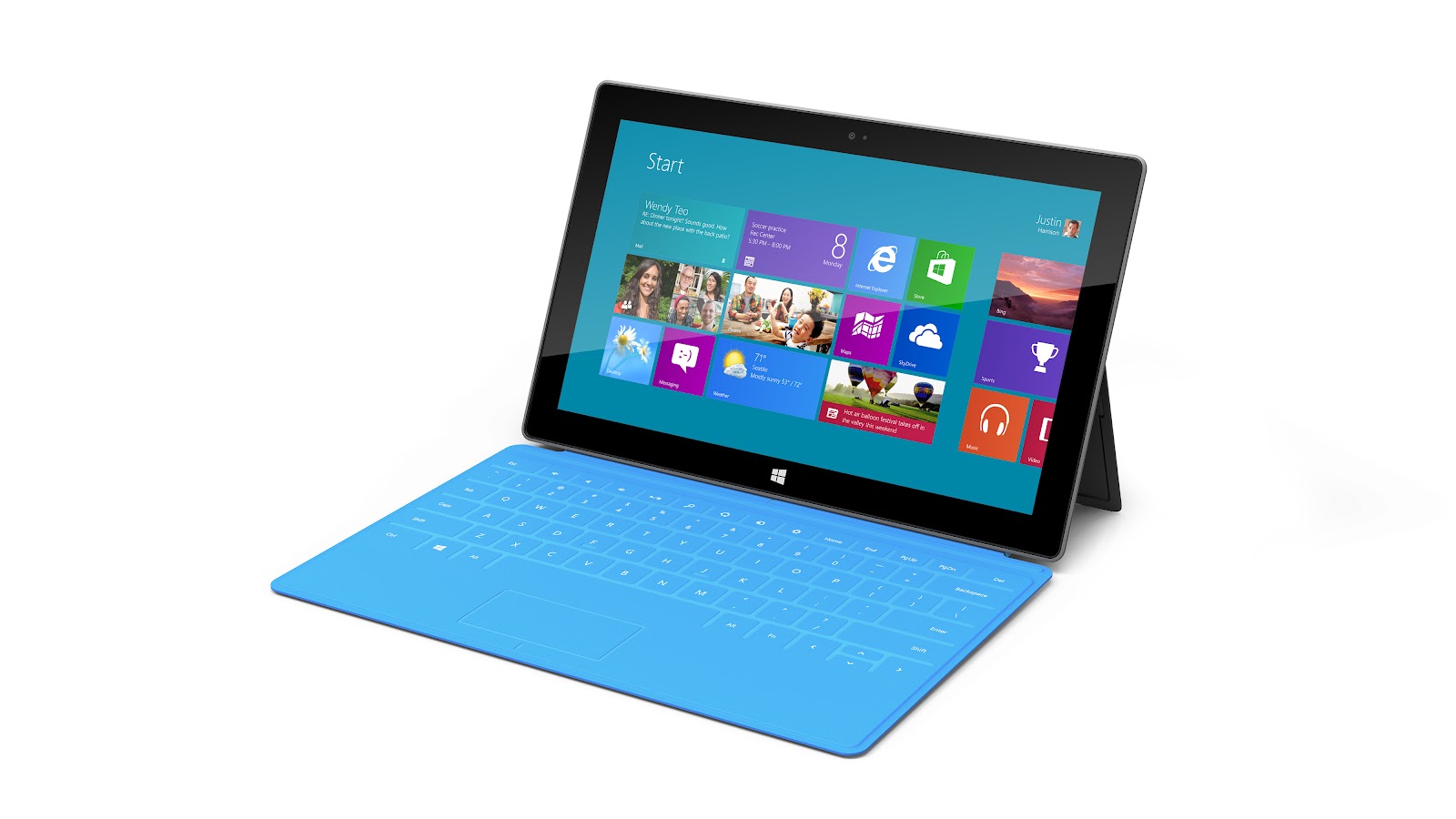 |
| Microsoft’s Surface tablet: CEO Ballmer has already hinted at a US$500 pricing. Well, let’s wait and see… |
Till today I don’t know if it’s an unintentional, knee-jerk aversion to the ultra-excessive A&P (IMHO) of Android’s largest phone implementor or… something else. The iOS did not wow me; bad experience with iPad 2; and I expect even less from Android (cue upside down smiley face).
I only know that there has to be more choice than what the market is currently shoving down my throat. There is too much news online about how (almost always Samsung’s) Android tablets stack up against the iPad.
Fair enough, the other tablet makers haven’t anything viable. HP hasn’t completely readied their mobile arsenal, only having recently restructured their mobile units. Microsoft would be announcing Windows 8 (and tablets?) next month; when one sees how they are starting to make their own hardware and more recently bargained out Nokia’s Lumia to a shorter end of the stick, it’s up in the air if they will continue to enjoy the heft and ecosystem support that they have before. And since RIM announced the delay of their latest operating system BB10, the tablet industry seems to have boiled down to just a two-horse race, or a two and half horse race at best with Microsoft’s Windows RT version.
 |
|
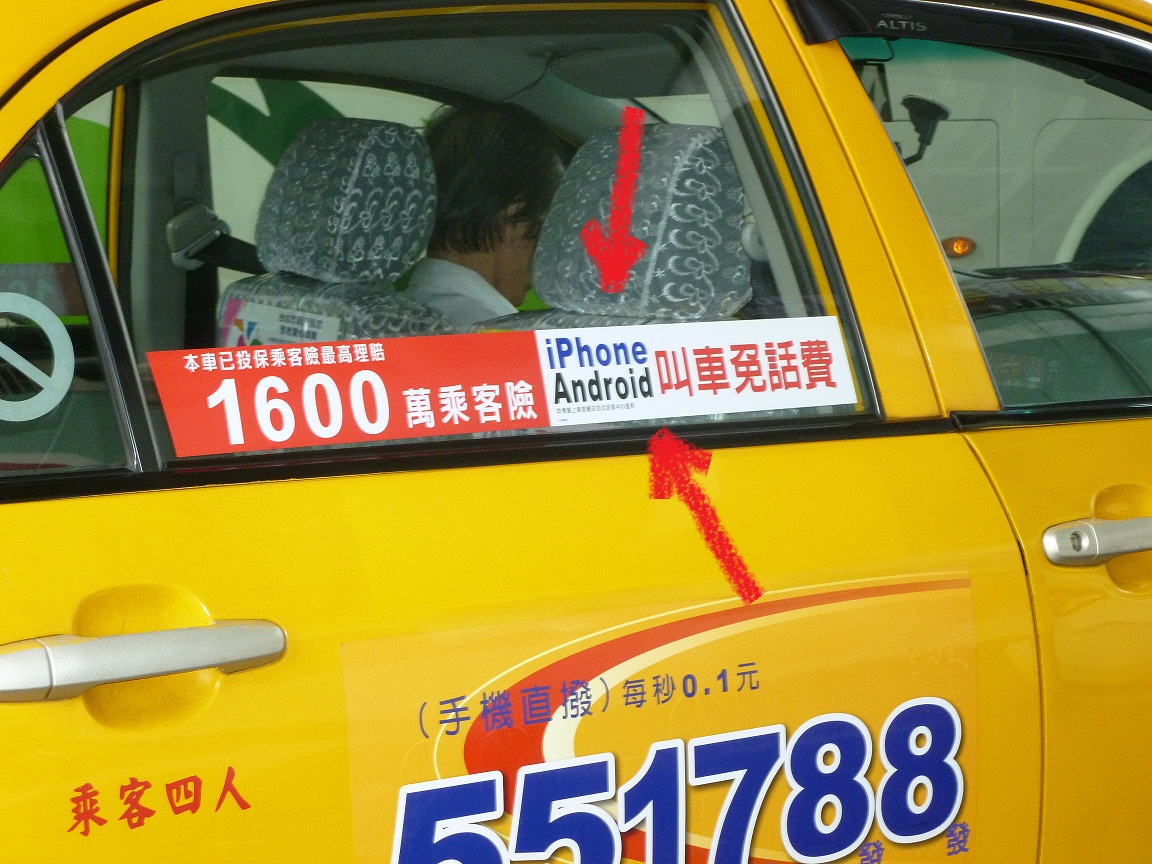
Literally minutes after arriving in Taipei today, spotted this. Can’t read Chinese, but whatever the context of that sign, has the mobile OS race really only dwindled down to this two? |
But, what about the e-reader brands? Amazon’s Kindle range is onto something good and already considered viable competition against (some) tablets, and where Kindle goes, its closest rivals Kobo and Nook might follow.
I wish analysts and media won’t be so quick to divide up the tablets from the e-readers. The two classes are converging, or at least tablets are trying to be e-readers as well. When in the market for e-readers, recommendations tend to be towards Android and iOS tablets instead, because the latter offer e-reader capabilities ON TOP of other cool almost computer-like functions.
But, not everyone want to be able to compose long business emails and type out word documents when they can buy e-books and browse shopping catalogues while on-the-go. The Kindles’ success with the American population is testament to that. They just need to let their book-buying and full services portion on the Kindle, work outside of U.S. as well. I would snap it up.
And after the iPad 2, I know better now. Tablets do not make computers (or is it tablets do not computers make?). Which is why my next media consumption device is going to be a sub-7-inch slate form factor device. I don’t think I can wait for RIM and HP to get their tablet offerings sorted out and ready.
Wish me luck.