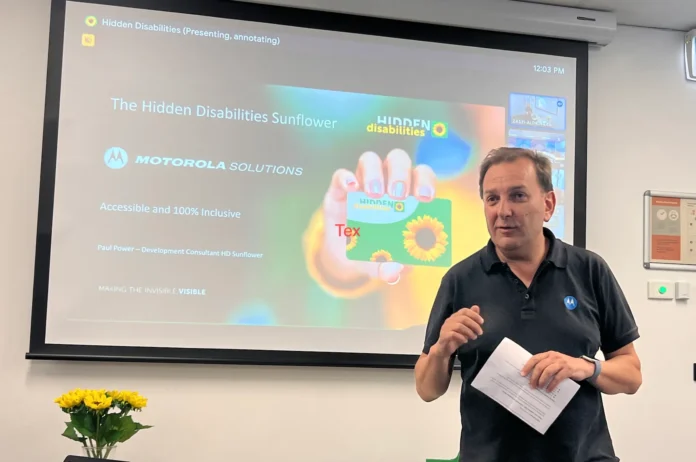
From customer service technician to country head, Con Balaskas’ journey is defined by never losing sight of the human stakes. His philosophy is human-centric: while technology innovation matters, the real intellectual property lies in people.
From ground floor to country leader
Con’s career began in an entry-level technical role, exposing him to the urgent needs of public safety agencies. He quickly learned why paramedics, police, and fire officers depend on mission-critical communications as their “lifelines.”
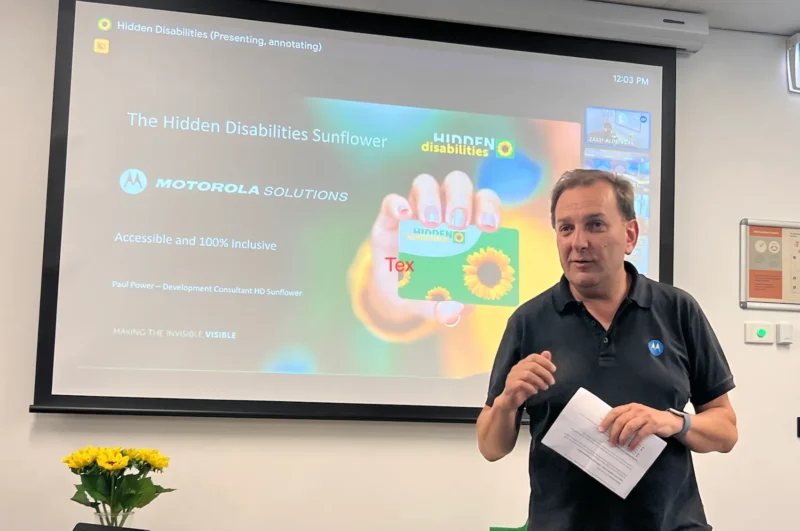
“It grounded me in the urgency of responding to customer needs,” Con recalled. “Our company culture is about standing by our customers in the moments that matter and our employees are proud to work for a company that makes a difference for people that protect our communities.”
As a product quality manager, he resolved customer issues and challenges, instilling discipline and accountability to look after products from the production line through to their performance in the hands of end-users. One senior leader who noticed his potential asked him a recurring question: “How would you like to contribute more?”
Each time he asked, Con stepped into a bigger arena. He attributed his advancement to “saying yes and asking for help.”
By stretching his personal limits and seeking guidance from mentors, he developed his own pattern of continuous iteration and growth.
A technology journey with customers
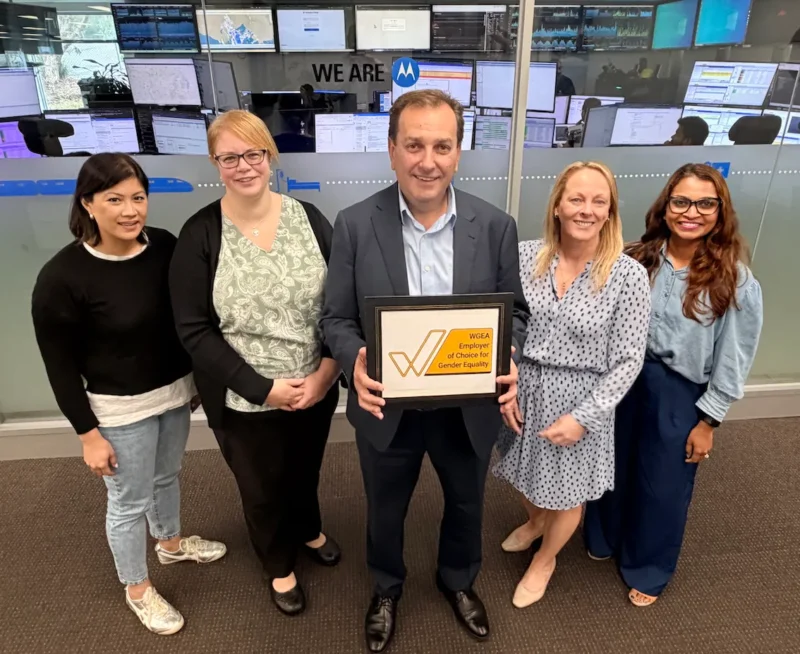
In the world of managed services Con learned that reliability is everything. Whether re-fueling a generator during a natural disaster, or providing 24/7 technical support from an operations centre, the goal is always to keep the lines of communication open for first responders and to help get them back on the job quickly.
Events like the catastrophic 2009 Black Saturday bushfires in Victoria underscored the necessity of “five nines availability”, especially given the heavy damages incurred by cellular networks and broader telecommunications infrastructure.
Looking to the future, Con sees new opportunities for Motorola Solutions to help agencies adopt new technologies – be that its Automatic Number Plate Recognition Systems, emergency call handling software that accelerates the response to Triple Zero calls from the public, or AI.
One new technology the company has deployed to support communication during cross-border emergencies is Critical Connect, a cloud-based interoperability solution that connects different radio networks together, enabling first responders to roam across coverage areas without losing their vital communication links.
“Unfortunately natural disasters don’t respect borders,” Con said. “By linking different radio networks together with software, we’re able to help responders from different jurisdictions collaborate to maintain safety and awareness during joint missions.”
From public safety to defence
The acquisition of Silvus Technologies in 2025 was an important milestone for the company best known in the industry for its public safety communications networks and devices.
It opened new opportunities for Motorola Solutions to meet the needs of another sector that faces mission-critical challenges; defence.
Silvus adds mesh-networking capabilities to the company’s portfolio, enabling data and video transmission in harsh and remote areas where fixed infrastructure is often unavailable.
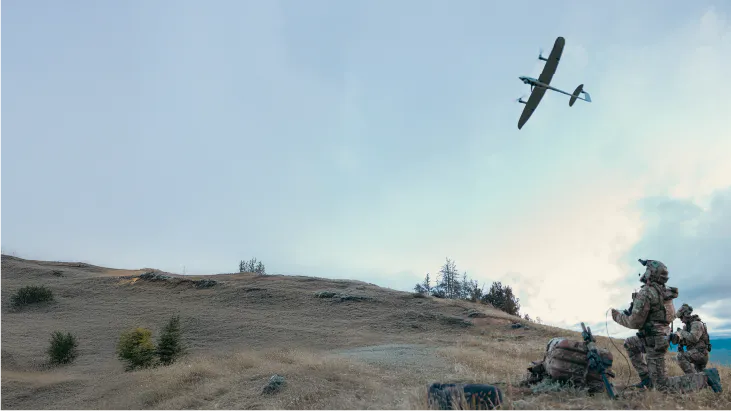
With drones increasingly used in modern defence settings for reconnaissance and target acquisition, Silvus’s mesh networking capabilities provides a way for soldiers to maintain control of unmanned systems, with high-bandwidth communication links for unmanned aerial vehicle, or UAV telemetry, command-and-control, and real-time video streaming.
Trust in people and technology
Con emphasises that the most critical ingredient for successful change – for people, organisations, and technology programmes – is trust.
“Mission-critical performance is about having trust in both people and technology. Customers want to know that transitioning to new technology won’t compromise the important work that they’re delivering every day, and that if something does go wrong, there’s a committed team of people willing to work through the issues together to fix it.”
Instead, it underscores Motorola Solutions’ ongoing role to cultivate trust in both its technologies and its people.
Independent research conducted by Motorola Solutions shows that when it comes to their emergency services, the Australian and New Zealand public already have high levels of trust. The study points to new opportunities for public safety agencies to embrace technology change, with 86-percent of respondents comfortable sharing location data with emergency services and 60-percent supporting the use of AI to accelerate emergency response.
While high public trust in emergency services provides a strong foundation, it is not a direct mandate for innovation. Instead, it underscores Motorola Solutions’ ongoing role to cultivate trust in both its technologies and its people.
Con’s intentionally stripped back leadership model – have a vision, include your people and customers in shaping it, and then executing – may prove decisive in driving the company’s next wave of innovations in Australia and New Zealand.