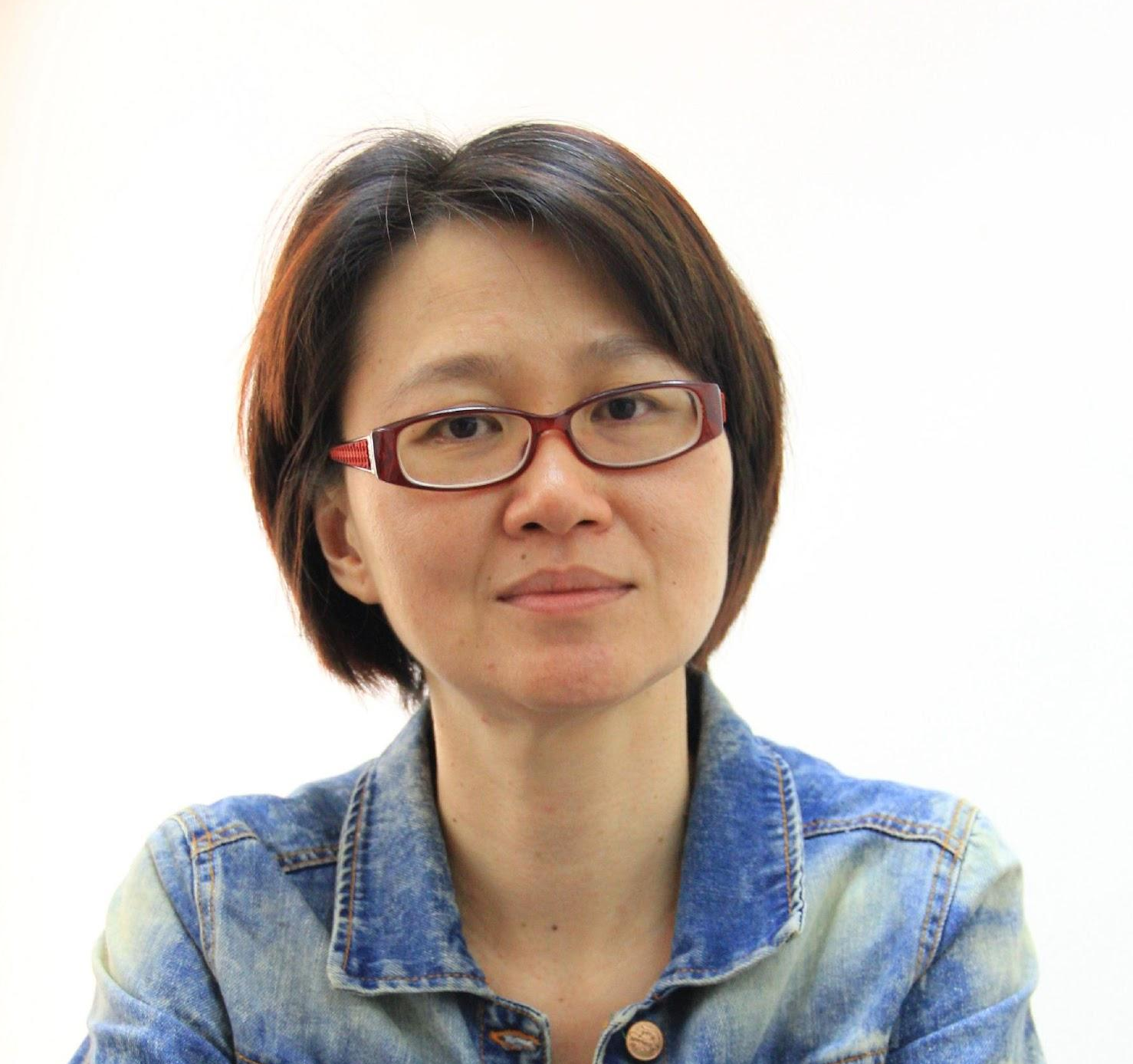

According to Pat Patel, the chief executive officer of major regions like LATAM, U.S. and MEA at the Global Finance & Technology Network (GFTN), the Singapore Fintech Festival (SFF), is the “epicentre of discussing the future of finance.”
The festival convened delegates from nearly 150 countries for three days of intense dialogue, cross-industry collaboration, and boundary-pushing innovation. All these activities were held across multiple stages and were marked by thousands of meetings, bringing together global technologists, regulators, bankers, and enterprise leaders to explore the rapidly-evolving landscape of financial technology.
“This has been like walking a marathon,” he said, recounting his own schedule of back-to-back meetings, presentations on major stages, and evening networking.
“The highlights for me has been the hunger and desire in the community to be a part of what we’re seeing as the next innovation cycle in financial services, and it feels that it’s not just the technologists that are paving the way. We’re seeing regulators involved in this as well, and banks are also playing a role.”
A rich tapestry of best practices
This could be owed to the festival organisers making appearances and running programmes throughout 2025 in Tokyo, Rwanda, Hong Kong, China, Switzerland, Qatar, Germany, the United Kingdom, Australia, India, Thailand, South Africa, and more.
“Every time we run these programmes, we are building the community, we’re having dialogues, and we’re taking the fruits of those dialogues and outcomes into the festival.”
The highlights for me has been the hunger and desire in the community to be a part of what we’re seeing as the next innovation cycle in financial services, and it feels that it’s not just the technologists that are paving the way. We’re seeing regulators involved in this as well, and banks are also playing a role.
Pat Patel
Fast forward to this November’s Festival and attendees represented not only the Asia-Pacific region, but there were also substantial delegations from China and India, with footfall as well from Africa, the Middle East, Europe, and the United States. “The overseas attendance has been phenomenal,” Pat said, adding that this breadth and diversity fostered a “cross-pollination of ideas and best practices” crucial for building a resilient global financial ecosystem.
Heading towards globalisation 2.0: A new view of the world
Pat cited timing and GFTN’s year-long programmes in major regions as being the reasons for the community’s phenomenal participation. “If you think about it, the world has been quite a strange place… I think macroeconomics-wise, geopolitics-wise… There has been huge pressure on growth and the industry is responding by looking at innovative ways to drive opportunities.”
Pat emphasised that ecosystem players need to meet and talk rather than be fragmented, which is what recent tariff and other policies have caused for most of 2025.
“There has been a kind of breaking down of bridges and partnerships that we have seen across countries. So what we’re doing at GFTN is to try to create those ‘corridors’ so people can come together.”
What if the AI bubble bursts next year? What if there are further economic challenges and what would it mean for businesses? These are some of the hypothetical questions that GFTN wants to anticipate to support business and tech leaders as they navigate them.
“How do we look at the next set of crises or black swan events that are likely to come down the line? How do we look at technology to try and solve some of the challenges?” he said.
These are questions that industries beyond finance and financial services are asking as well. “I think there is applicability in most sectors. Look at commerce and some retail sectors – they are all beginning to use some of these technologies like AI, quantum, tokenisation, so it’s applicable. There is a blurring of lines between many industry sectors.”
The Enterprise Tech stack that extends beyond financial services
The festival’s goal is to be the epicentre of discussions around the future of finance, and as Pat put it, “… essentially to frame what we can expect in 2026.”
It also recognises the foundational role of technologies like AI, quantum computing and tokenisation, positioning these as pillars of tomorrow’s enterprise tech stack, and cementing its position as a vital platform for business and tech leaders as well as policy makers, and technologists, to prepare for the uncertainties ahead.
“Organisations that are driving growth and looking for growth; they are building their pipelines for 2026 and beyond. This is a great opportunity and platform to do that,” Pat concluded.