
By Troy Wu, Business Development Manager, Biometric Identity Technology, Asia Pacific, HID
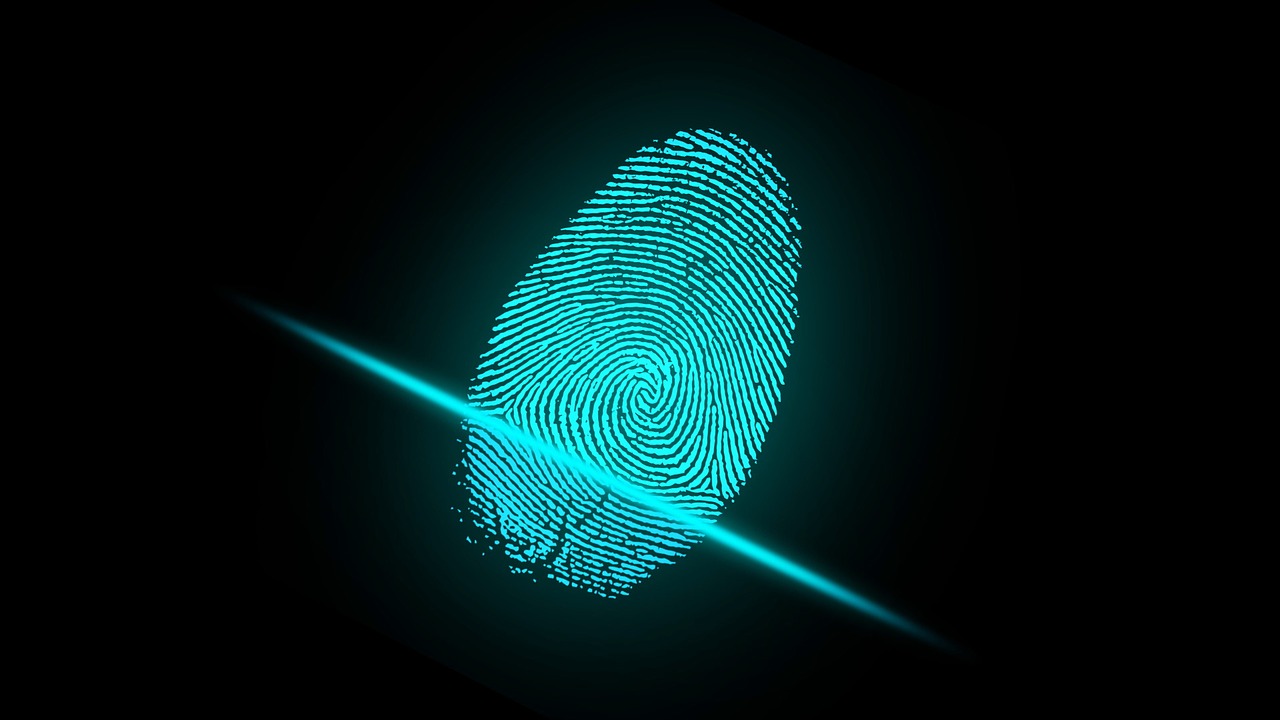
What if you never had to carry keys, swipe cards or remember passwords again? In 2026, that future is fast approaching, as cards, keys and passwords give way to biometric identity systems where you become the key.
Across governments, enterprises and critical infrastructure, traditional credentials, such as passwords, cards and physical IDs, are reaching their breaking point. They introduced friction, increase operational costs and remain vulnerable to theft, loss and fraud.

Biometrics, by contrast, offer a fundamentally different model: identity that is persistent, portable and intrinsically linked to the individual. As organisations confront rising cyber threats, AI-driven fraud and tightening regulatory scrutiny, biometric technologies are evolving rapidly.
Eight key trends are now reshaping how identity will be established, verified and trusted in 2026.
1. Biometrics-first, vertical by design
Biometrics are no longer deployed as generic security layers. In 2026, they are becoming vertical-specific identity frameworks tailored to the realities of air travel, financial services, government services, healthcare and large-scale venues.
In aviation, facial recognition enables passengers to move from curb to gate with minimal document checks. In banking, fingerprints and facial authentication provide high-confidence access without security questions or branch visits. Governments are applying biometric identity to reduce document duplication, accelerate service delivery and strengthen privacy controls through one-time enrolment.
The most powerful biometric experiences are those users barely notice – frictionless, fast and trusted.
2. The rise of biometric self-service
Self-service is becoming the dominant interface for identity interaction, and biometrics are at its core. In 2026, biometric-enabled kiosks are commonplace at borders, hospitals, stadiums, hotels and retail locations.
Facial recognition and fingerprint authentication allow users to verify identity, access services and complete payments without devices, cards or PINs. For organisations, this reduces staffing pressure, improves throughput and supports equitable access across age groups and physical abilities.
What began as a convenience feature is now a critical component of scalable, contactless service delivery.
3. Multimodal biometrics become the norm
Single-factor biometrics are giving way to multimodal identity, where fingerprints, facial recognition and voice authentication work together. Combining modalities significantly increases accuracy and resilience against fraud while maintaining speed and usability.
Financial institutions in Brazil, for example, are increasingly layering facial recognition onto existing fingerprint systems to strengthen authentication across digital and physical channels. Multimodal biometrics recognise a simple reality: identity is strongest when verified from multiple perspectives.
4. AI-Driven defence against sophisticated attacks
As biometrics proliferate, so do attempts to defeat them. Deepfakes, silicone fingerprints and synthetic identities are becoming more sophisticated and more accessible.
In response, next-generation biometric systems are embedding AI-powered Presentation Attack Detection (PAD) and liveness detection directly into identity workflows. Advanced facial recognition analyses micro-movements, skin texture and blood flow indicators. Modern fingerprint sensors use 3D, ultrasonic and multispectral imaging to detect subsurface features that fakes cannot replicate.
In 2026, biometric security is no longer static comparison but adaptive, intelligent and continuously learning.
5. Privacy-preserving identity by design
Trust is the foundation of biometric adoption. Without it, scale is impossible. Privacy-preserving architectures are therefore becoming non-negotiable.
Three shifts stand out: self-sovereign identity models that give individuals control over their credentials; edge processing that keeps biometric data local rather than centralised; and built-in encryption and secure boot processes that protect data throughout its lifecycle.
Biometric systems must now meet the highest standards of data protection by design, not by exception.
6. Continuous authentication and Zero Trust
The notion of authenticating once and remaining trusted indefinitely is obsolete.
In 2026, biometric identity plays a central role in continuous authentication within Zero Trust security models. Behavioural biometrics, such as typing patterns or interaction dynamics, quietly validate users throughout a session, detecting anomalies without interrupting productivity. Security thus becomes invisible, persistent and proportional to risk.
7. Regulation accelerates ethical adoption
Global regulation is not slowing biometrics but reshaping them. Frameworks such as GDPR, the EU AI Act and Europe’s Entry/Exit System are establishing clear expectations around consent, transparency, proportionality and accountability. These rules are driving a “privacy-by-design” approach that benefits both users and organisations.
The result is rising demand for compliance-ready biometric platforms that can scale globally with regulatory confidence.
8. Developer-friendly integration at scale
Finally, biometrics are becoming easier to deploy than ever before.
Modern biometric solutions are delivered through lightweight APIs and SDKs that integrate seamlessly into existing applications, kiosks and enterprise platforms. What once required specialised engineering teams can now be implemented rapidly by in-house developers.
This shift is democratising biometric identity and transforming it from a niche security investment into a standard digital capability.
Looking ahead
By 2026, biometrics will underpin a new identity paradigm: one that is frictionless for users, resilient against fraud and aligned with global expectations for privacy and ethics.
Identity will no longer be something we manage. It will simply be something we are.
The only remaining question is how quickly organisations are prepared to adapt.