

Quantum computing is expected to transform the tech landscape, shifting use cases from experimental promise to real-world impact. The industry and ecosystem is in anticipation of breakthroughs in ultra-fast, complex calculations that will drive progress in drug discovery, weather prediction, financial modeling, supply chain optimisation, and much more.
In summary, industries want to be able to leverage problems beyond classical computing’s reach, opening doors to entirely new possibilities and competitive advantages.
This expectation is a responsibility that the cybersecurity industry does not take lightly, and Palo Alto Networks launching two new security solutions last August, exemplifies this. These solutions aim to provide enterprises with the visibility, agility, and robust defenses needed to accelerate their quantum readiness and secure their workloads in a multicloud world.

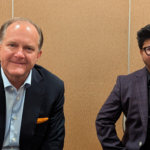
Palo Alto Network’s VP of marketing for network security, Navneet Singh, had an apt description of what is making the industry really nervous. “Quantum computing is so powerful that attackers could break encryption instantly if before it would have taken years to do so.
“If attackers have access to quantum computing, it’s like robbers having access to the key vault of a bank – and that is making everyone very nervous.”
He explained that even though quantum is not a reality that is mainstream today, enterprises and nation states are extremely concerned due to hacker activities like ‘harvest now, decrypt later’.
“It means all the data we think is safe today, will not be when quantum computing becomes available,” explained Navneet.
“So, governments are taking notice and saying we need some standards and regulations around this. Besides that, enterprises want to be quantum-ready… We hear it a lot from our customers.”
Quantum-readiness
Quantum readiness is a capability that the company breaks down into three steps that organisations can systematically take to face quantum-powered security challenges.
If attackers have access to quantum computing, it’s like robbers having access to the key vault of a bank – and that is making everyone very nervous.
Navneet Singh
The first revolves around visibility and assessing which parts of an organisation’s infrastructure is quantum-ready and which are vulnerable. “We have the Quantum Readiness Dashboard and it will show you all of these.”
The second step involves upgrading systems to use quantum-ready cryptography especially where current standards are not sufficient. Navneet explained that the company already offers firewalls that support quantum cryptography. However with its fifth-generation firewalls, there isn’t only readiness but cryptographic acceleration – specialised hardware or software can speed up the encryption and decryption process; even advanced encryption methods that do not slow down network performance would ensure data remains secure.
The third step addresses devices that cannot be upgraded and uses a cipher translation proxy to ensure organisations remain secure from quantum-based threats.
The multicloud challenge
Organisations today are also faced with increasingly complicated multicloud environments that exacerbate the challenges of protecting against quantum-driven attacks. The answer lies in multicloud security that is more automated, as well as scalable.
As with quantum threats, Palo Alto Networks has a three-step approach to securing complex multicloud deployments – discovery, deployment, and protection. A software-based firewall platform encapsulates all of these capabilities by offering visibility of the entire “IT estate” and then ‘inserting’ firewalls minus the hassle of complex routing or configuration, across different cloud providers for fabric-like security. It can also automatically spin up new firewalls when traffic spikes and keep applications secure by creating micro perimeters.
“Cloud really allows us to be very agile,” said Navneet, explaining that the technology can enable businesses to flexibly deploy security technologies while ensuring regulatory compliance, for example setting up new firewalls between applications that “should not talk to each other.”
The time is now
Anand Oswal, SVP and GM of Network Security, had described the quantum threat to encryption as “no longer theoretical.” Navneet echoes Anand’s call for organisations to proactively secure their most critical assets now by pointing out how data security incidents are increasing year over year.
“The threat is only growing. Imagine if all the encrypted communication today was susceptible to any attacker. Our customers are asking us how to be prepared, and we believe that the time to act is now,” Navneet concluded.